
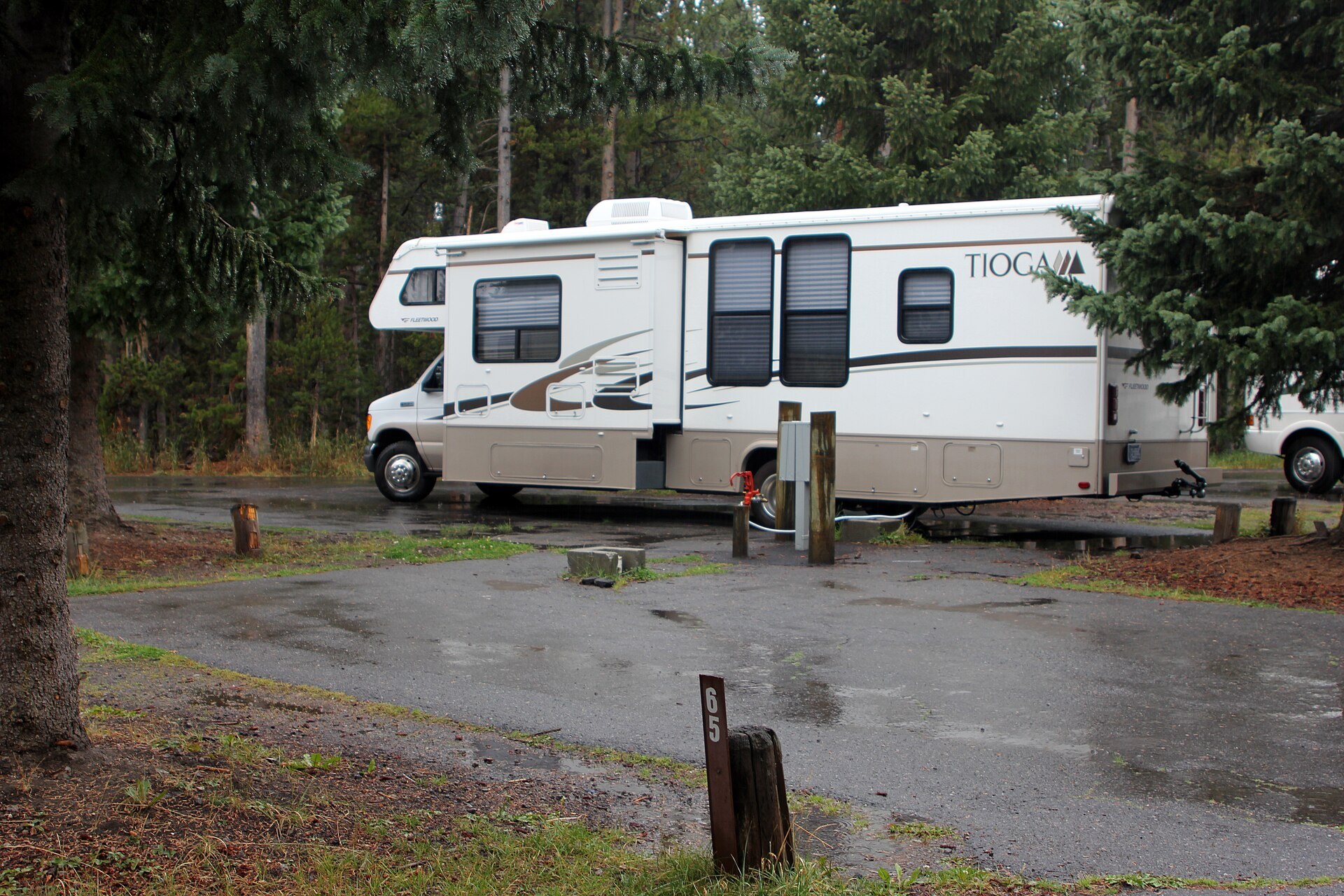
The idea of hitting the open road with all the comforts of a luxury suite is tempting—king-size beds, leather couches, marble showers, satellite Wi-Fi, and a fully stocked kitchen, all on wheels. But does a luxury RV road trip actually deliver the experience you’re imagining?
Let’s explore what it really looks like—and whether it’s the right fit for your next escape.
What Is a Luxury RV, Exactly?
Think less “camper van” and more “rolling boutique hotel.” Features may include:
- Full-size bed or memory foam king bed
- Designer kitchen with induction stove & wine fridge
- Smart TVs, surround sound, and even fireplaces
- Spa-style bathrooms with rainfall showers
- Leather recliners, hardwood flooring, and blackout blinds
Compare models at Outdoorsy or RVshare
Typical Costs (2024)
| Item | Price Range |
|---|---|
| Rental per night | $250–$700 |
| Security deposit | $500–$2,000 |
| Fuel (per trip, est.) | $200–$600 |
| Campsite fees (luxury parks) | $50–$150/night |
| Total for 3-night weekend | ~$1,200–$2,000 |
Split between 4 people, that can mean ~$300–$500 per person for a luxury experience.
Best Luxury RV Routes in the U.S.
- Pacific Coast Highway (CA) – Coastal views, oceanfront campsites
- Blue Ridge Parkway (VA/NC) – Mountain passes and fall foliage
- Sedona to Grand Canyon (AZ) – Red rocks to deep canyons
- Florida Keys – Park near the beach and wake to waves
- Glacier to Yellowstone – Wildlife, waterfalls, and dramatic parks
Use Harvest Hosts for unique overnight spots like wineries, farms, and ranches.
Pros of a Luxury RV Trip
- Total flexibility: sleep where you want, eat when you want
- Combines travel + accommodation = one booking, many experiences
- You can bring your dog, wine, and espresso machine
- Instagrammable settings without crowds
- Perfect for group bonding or romantic retreats
Potential Drawbacks
- Learning curve: Driving a large RV takes practice
- Fuel costs can add up fast
- You’re still doing some of the work (driving, setup, cleanup)
- Reservations at premium RV parks may be needed months in advance
Who It’s Perfect For
- Couples looking for a luxury escape with privacy and scenery
- Groups of friends or families who want shared adventures
- Remote workers who want to combine travel + comfort + Wi-Fi
- People who want to experience “van life” without sacrificing luxury
Conclusion
A luxury RV road trip isn’t for everyone—but for those who value freedom, comfort, and a bit of adventure, it can be one of the most memorable and indulgent ways to travel. It’s glamping on wheels, with a killer view that changes every day.
How to book a luxury RV without nasty surprises
Luxury motorhomes are a small slice of the rental market, so the best units are often reserved four to eight weeks ahead, and summer holiday weeks sell out months earlier. Expect a deposit of 25 to 50 percent at booking, with the balance due one to two weeks before pickup, plus the refundable security hold. Read the cancellation ladder carefully: many owners refund in full only up to 30 days out, then keep half, then keep everything inside the final week.
Insurance is the part most first-timers get wrong. A personal auto policy almost never covers a Class A or Class C motorhome, and most credit card rental benefits exclude RVs entirely. Peer-to-peer marketplaces bundle liability and collision coverage into the booking, but the deductible can run from 1,500 to 5,000 dollars, so check that number before you sign. Ask about roadside assistance, the mileage allowance (100 to 150 miles per night is typical, then 35 to 75 cents per mile) and how generator hours are billed.
Campground reservations need their own timeline. Federal sites, including national park campgrounds, are booked through Recreation.gov, usually on a six-month rolling window, and popular Yosemite or Glacier loops disappear within minutes of release. State parks run their own portals, and private resorts are easier to book late but charge accordingly. Confirm the site length: a 40-foot coach with slide-outs does not fit a 30-foot pad.
Timing, packing and the mistakes that ruin the trip
Season shapes the route. Going-to-the-Sun Road in Glacier National Park typically opens fully only from late June or July and has vehicle length limits, so a large coach may need to skip the pass and use the shuttle. The Florida Keys are glorious from November to April but sit in the Atlantic hurricane season from June through November, when rentals may be cancelled or evacuated at short notice. The Blue Ridge Parkway has tunnels with posted clearances, some lower than 12 feet, so check your unit’s height before committing.
Bring what the listing rarely includes: leveling blocks, wheel chocks, a surge protector for shore power, a potable water hose, a sewer hose with a clear elbow, disposable gloves and a tire pressure gauge. Film the walk-through at pickup, including the awning, the black tank valve and any existing scratches. Most states allow a standard driver’s license for motorhomes under 26,000 pounds, but a few require an extra endorsement, so verify with your DMV.
The classic errors are overpacking, forgetting to switch the propane off at fuel stops, driving after dark on unfamiliar roads, and booking a one-way rental without checking the drop fee. Plan shorter driving days than in a car, roughly 200 to 250 miles, and arrive before sunset so setup happens in daylight.