
Hot air ballooning is one of those bucket-list experiences that promises magic—sunrise skies, soft wind, and 360° views. But with early wake-up calls, unpredictable weather, and prices that can reach $300+, it’s fair to ask: Is a hot air balloon ride really worth it?
Here’s an honest look at the pros and cons—so you can decide if it’s your kind of unforgettable.
The Magical Side
1. Breathtaking Views
Nothing compares to floating above a canyon, vineyard, or desert at sunrise. Popular destinations like:
- Cappadocia, Turkey
- Napa Valley, California
- Sedona, Arizona
- Albuquerque, New Mexico
…offer postcard-worthy landscapes you simply can’t get on the ground.
Rainbow Ryders – Albuquerque
Napa Valley Aloft
2. It’s Peaceful—Not Scary
Despite the height, balloon rides are quiet, slow, and surprisingly calm. No turbulence, no noise—just the occasional burner hiss.
3. Unique Celebrations
Balloon rides are great for:
- Proposals or anniversaries
- Milestone birthdays
- Bucket-list travel moments
Some tours include champagne toasts after landing.
The Realistic Side
1. It’s Pricey
Typical cost:
- $250–$400 per person for 45–60 minutes
- Private rides: $700+
And that’s not including transport or tips.
2. Early Start, Weather Cancellations
- Rides often begin before sunrise
- Flights are frequently cancelled due to wind or fog—sometimes at the last minute
- Refunds or reschedules vary by provider
3. Space is Limited
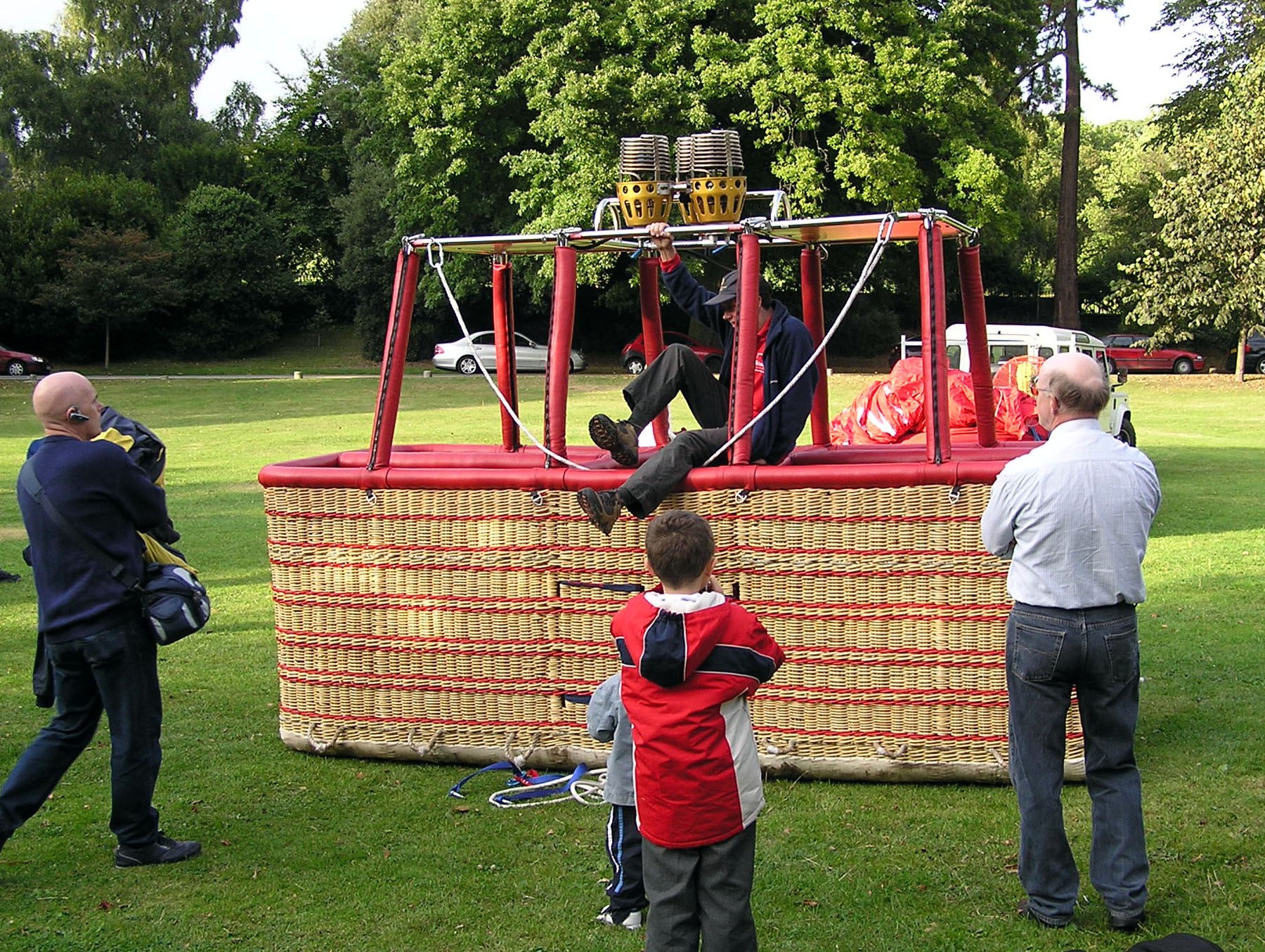
You’ll share a basket with 8–20 people unless you book a private flight. Don’t expect it to be Instagram-perfect without some planning.
Is It Worth It?
Yes, if:
- You want a once-in-a-lifetime sunrise experience
- You’re traveling to a top ballooning location
- You’re celebrating something special
- You’re okay with early mornings and a bit of uncertainty
No, if:
- You hate mornings or cold air
- You want more control over scenery or photos
- You’re expecting thrills—it’s more serene than extreme
Pro Tips for First-Time Flyers
- Dress in layers—it’s cold in the air, then warm when you land
- Avoid flip-flops (landing can be bumpy)
- Bring a camera with wrist strap
- Check reviews for safety & cancellation policies
- Book with local, licensed operators like:
Conclusion
Hot air balloon rides aren’t for everyone—but when the conditions align, they’re absolutely unforgettable. Floating above vineyards or mountains in the golden glow of sunrise? That’s a kind of magic worth chasing—at least once.
What to know before you hand over the deposit
In the United States, commercial balloon rides are regulated by the Federal Aviation Administration. Pilots who carry paying passengers must hold a commercial pilot certificate for lighter-than-air aircraft with a balloon class rating, and since a recent rule change they also need a second-class medical certificate. Most sightseeing flights operate under Part 91 with an air tour Letter of Authorization, and the balloon itself needs an annual inspection like any other aircraft. The Balloon Federation of America runs a voluntary accreditation program for ride companies, a useful signal when comparing operators, as are the pilot’s total hours and the age of the envelope.
Booking lead times are short outside major events: one to three weeks is enough in Napa or Sedona, though sunrise weekend slots in October fill faster. The exception is the Albuquerque International Balloon Fiesta, held over nine days each October, where ride seats sell out months in advance and hotel rooms go with them. Most operators charge the full fare at booking; weather cancellations are rebooked or refunded, but cancellations made by you typically forfeit everything inside 48 to 72 hours. Plan the flight for the first morning of your trip so a scrub still leaves a chance to fly again.
Weather, budgets and staying safe in the basket
Balloons fly in calm air, so the launch window is the first hour after sunrise, and pilots scrub for surface winds above roughly 8 to 10 mph, rain, fog, thunderstorms within range or unstable conditions aloft. Expect roughly one flight in four to scrub in shoulder seasons. Napa’s summer mornings can bring coastal fog that pushes the launch inland, Sedona is best in spring and fall, and Cappadocia flies most reliably from April to November. Wear closed shoes, long trousers and layers, tie back long hair, and bring a hat because the burner radiates real heat. A flight lasts about an hour, but the whole outing with inflation, landing, packing up and the drive back takes three to four hours.
Shared baskets in the US run 250 to 400 dollars per person, private baskets 700 to 1,500 dollars, and some operators add a fuel surcharge or a weight surcharge above a stated limit. A 10 to 20 percent tip for the pilot and chase crew is customary. Most companies require passengers to be at least 4 feet tall so they can see over the basket rim, will not fly pregnant passengers, and set weight limits per basket compartment; ask before you pay.
The safety briefing covers the landing position: knees bent, back against the basket wall, holding the rope handles, and staying inside until the pilot says otherwise even if the basket tips and drags. Common mistakes are wearing sandals, skipping breakfast and expecting to choose the route, which the wind chooses for you.